

跳到主要內容區
  • Welcome to MIS@NSYSU 中山資管歡迎你
  • 【行政】國立中山大學資訊管理學系誠徵專任教師
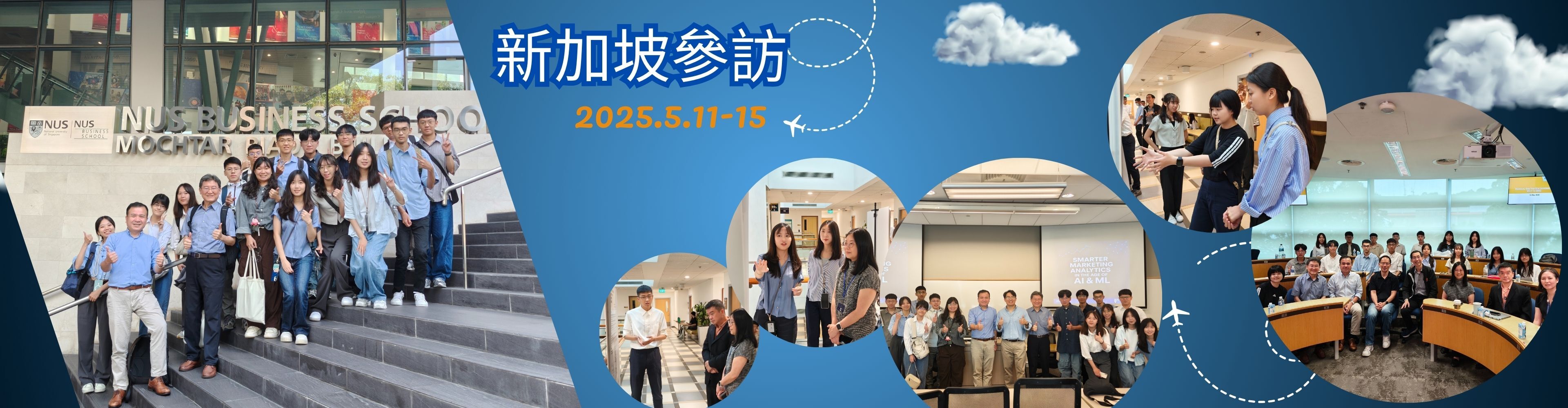
  • 2025年5月徐士傑主任率團至新加坡參訪
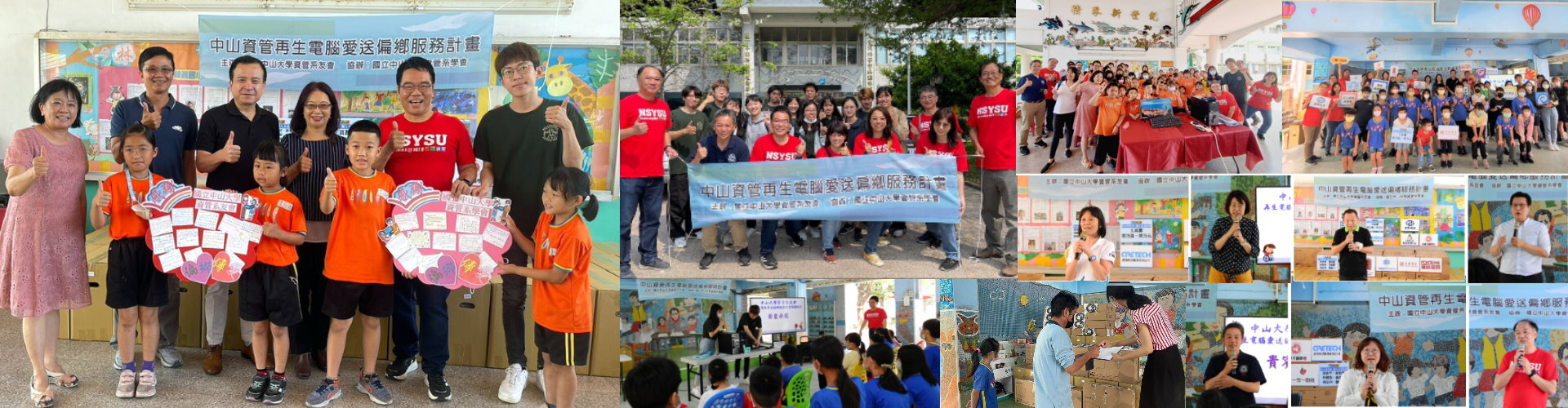
  • 2023中山資管再生電腦愛送偏鄉
  • 中山資管歡迎你
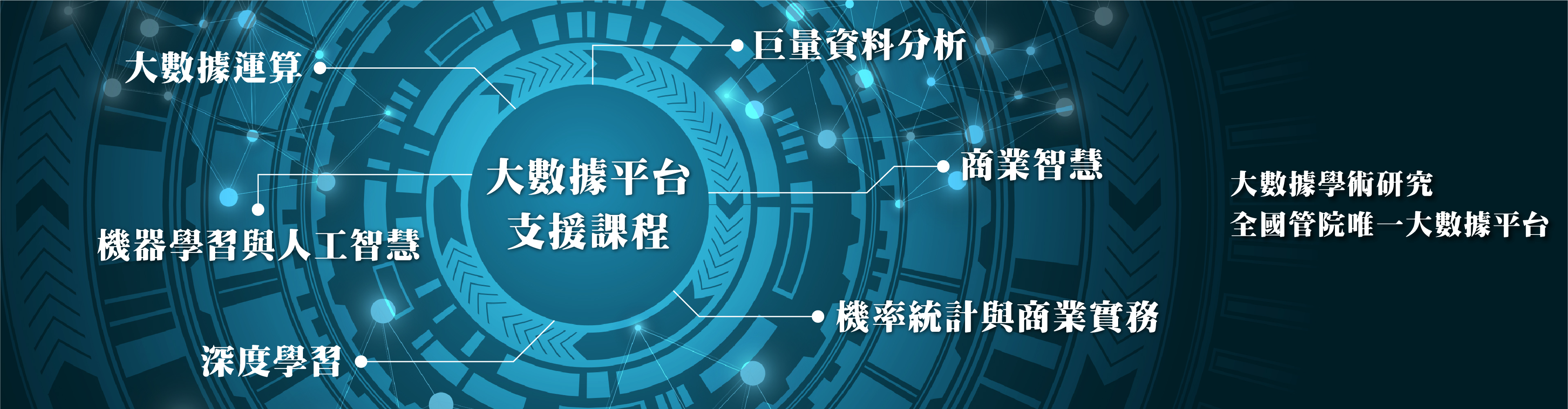
  • 中山管院:商業大數據平台
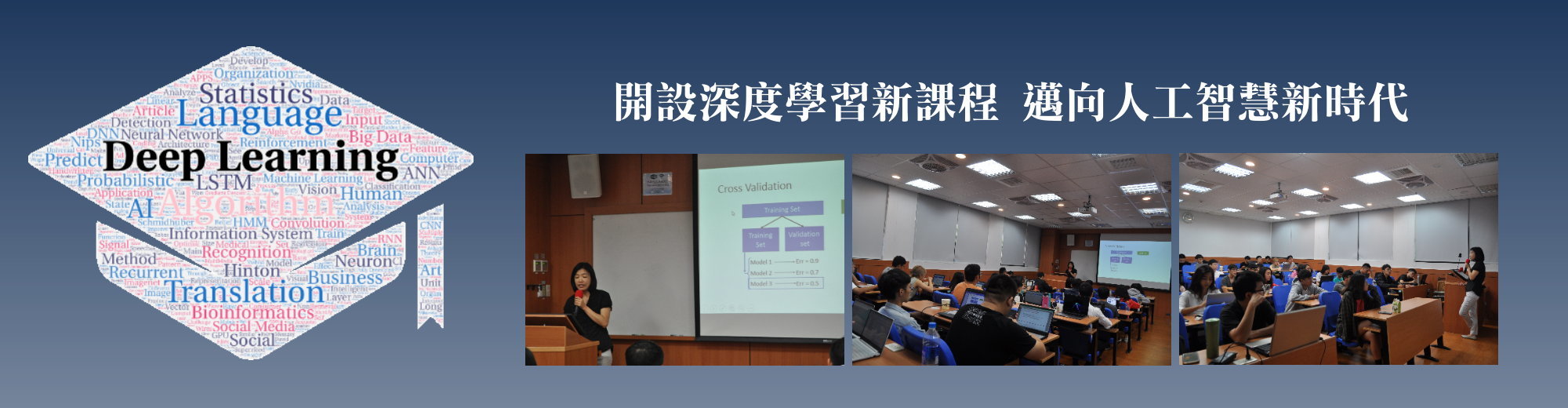
  • 開設深度學習新課程 邁向人工智慧新時代

資管系5/6專題演講:Toward Carbon Footprint Labeling using CFL-Ontology(講者:Professor I-Ling Yen)

講題:Toward Carbon Footprint Labeling using CFL-Ontology
時間:2015/05/06 (三) 19:00 開始
地點:國立中山大學管理學院管4073教室
講者:Professor I-Ling Yen (美國德州大學達拉斯分校教授)

Abstract:
  As the carbon emission becomes a serious problem, a lot of research works now focus on how to monitor and manage carbon footprints. One promising approach is to create a “carbon footprint aware” world to expose people to the carbon footprints associated with the products they buy and the services they use. Carbon footprint labeling (CFL) of products and services enables the consumers to choose their products not only based on quality and cost, but also based on their carbon footprints. Similarly, carbon footprints of common activities and services can also be labeled to enable informed choices. CFL can impact the supply chain operations as well. With the carbon footprint data, the carbon-footprint-optimal supply-chain can be identified and selected to minimize carbon emissions.

  Existing carbon footprint management systems mostly rely on databases to maintain carbon footprint data. But database alone is not sufficient for carbon footprint labeling. In this presentation, we discuss the problems in existing carbon footprint management systems and discuss our solution. We have developed an ontology model, CFL-ontology, to specify how products are produced and the activities involved in services, the entities that may generate carbon emissions in the production/service processes, and the computation functions to derive the carbon footprints based on the associated descriptions. We have also developed carbon footprint distribution functions which decompose the coarse-grained carbon emission data into fine-grained carbon footprints for individual products, activities, and services. With the CFL-ontology and carbon footprint distribution functions, reasoning can be performed to automatically derive the carbon footprint labels for individual products and services.
 
 
歡迎有興趣的同學踴躍前往聆聽!
瀏覽數: